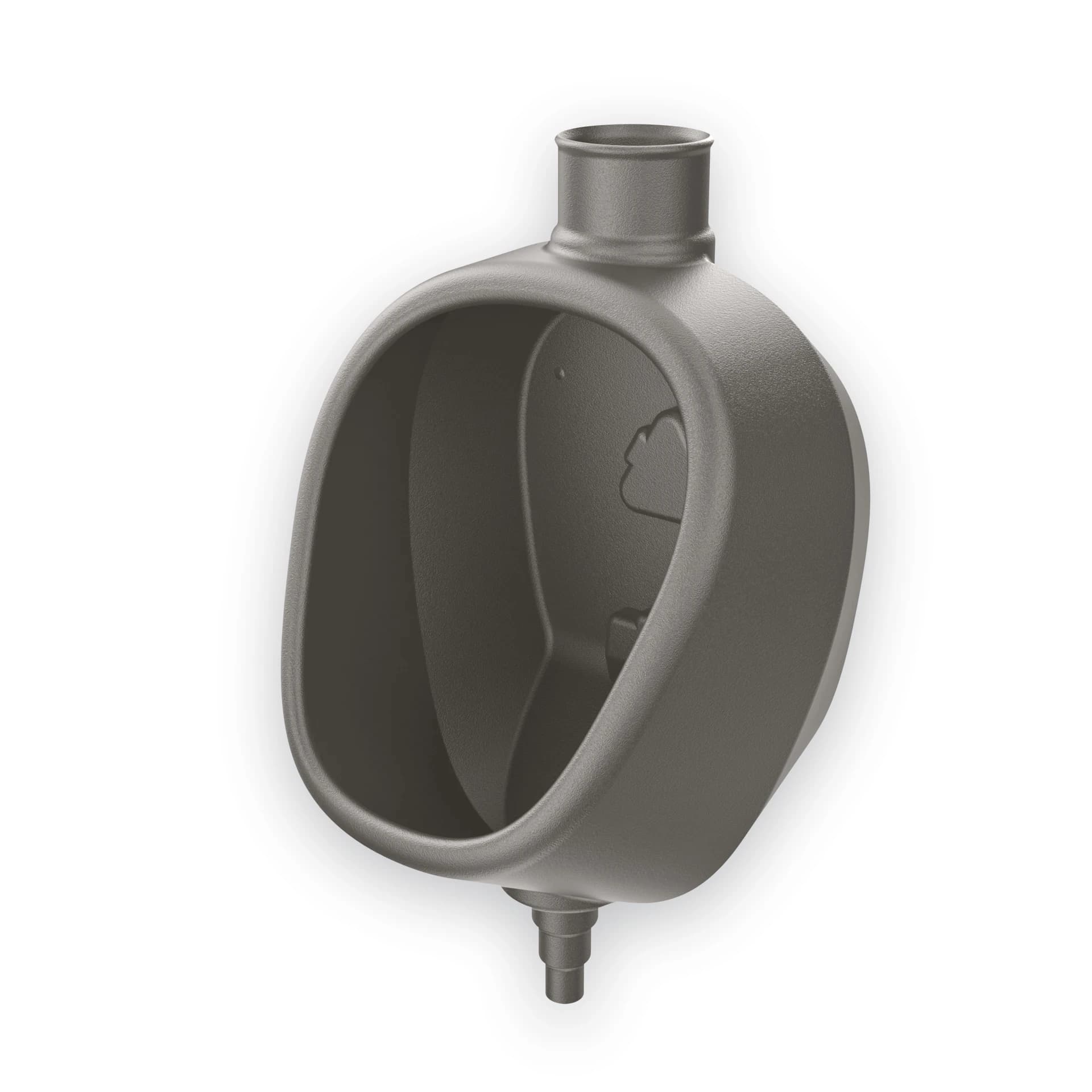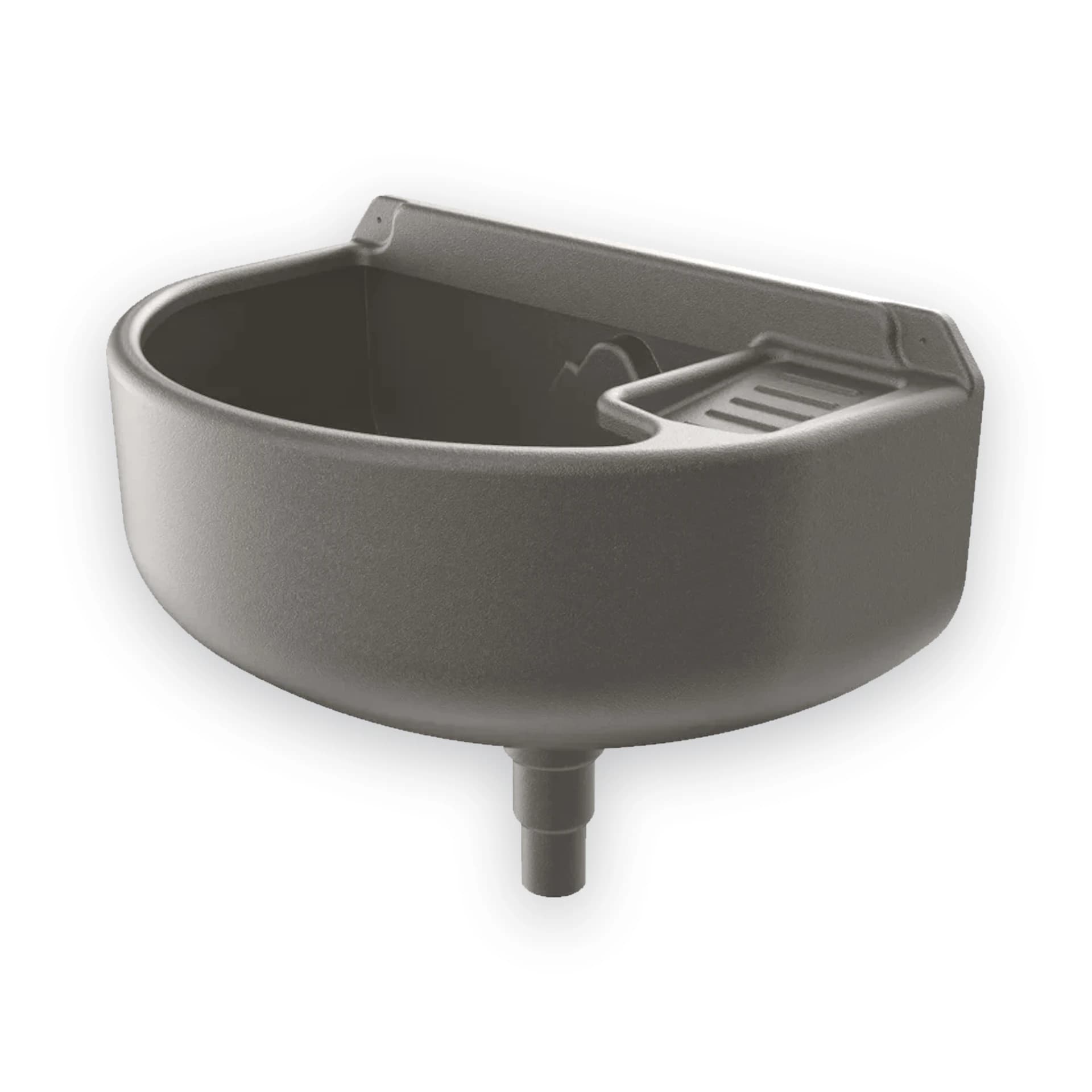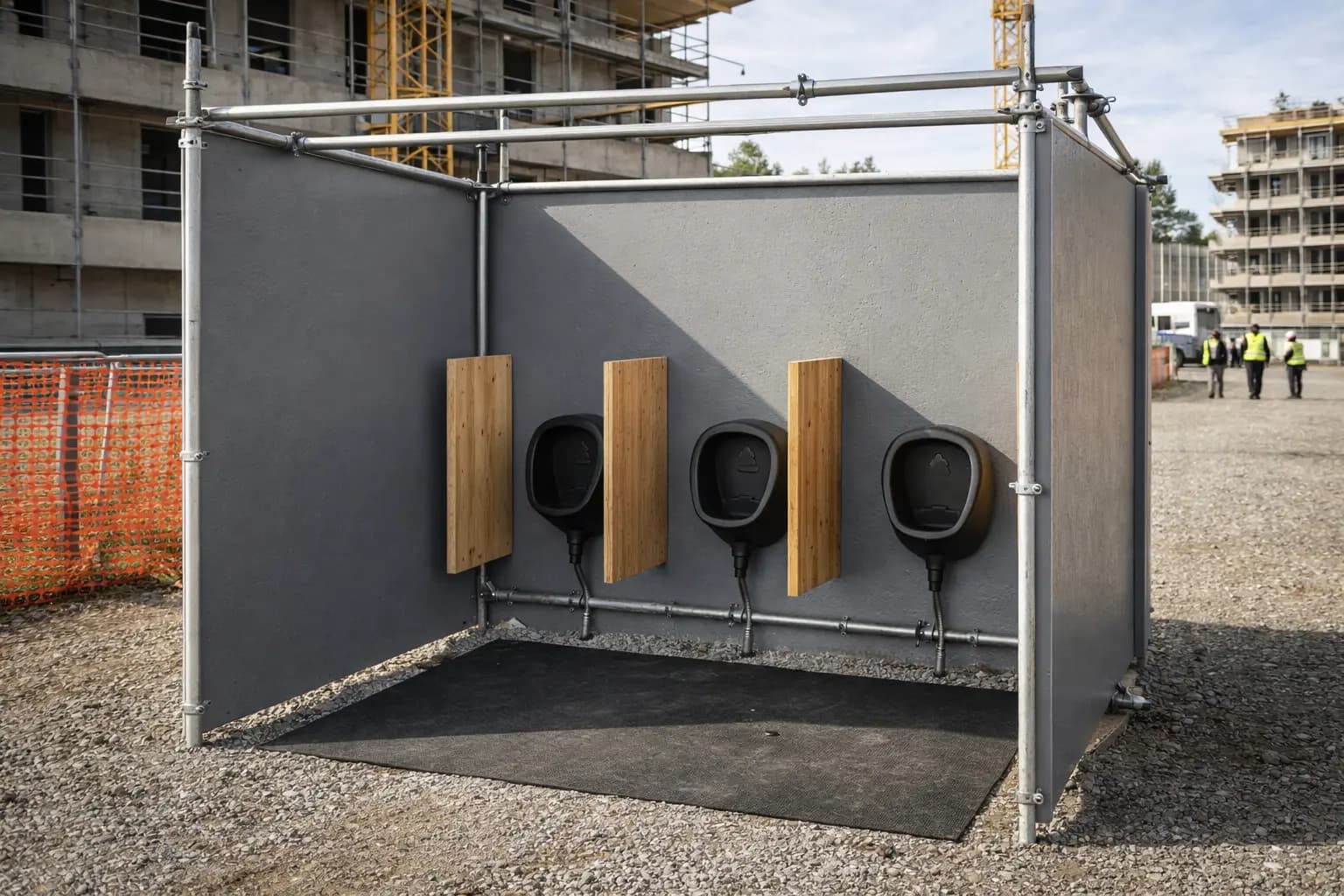
Every construction site in the Czech Republic and, with adjustments for national regulations, in Slovakia falls under ‘Nařízení vlády č. 591/2006 Sb.’ – a government decree on minimum safety and health requirements for construction sites. This document transposes the European Directive 92/57/EHS into national law and works in conjunction with ‘Zákon č. 309/2006 Sb.’ – a law ensuring additional occupational safety and health conditions (BOZP). Appendix 1, Part III of Decree 591/2006 regulates sanitary facilities – a point on which the Regional Labour Inspectorate (OIP) issues directives and halts work. Below is what they check and where a waterless urinal meets the requirement.
Requirements of Appendix 1 of Decree 591/2006
Appendix 1, Part III obliges the contractor to provide a sufficient number of separate toilets for men and women, washbasins, and, if necessary, changing rooms on the construction site. The decree does not specify a calculation like ‘one cabin per N people’ – the regulation refers to overall accessibility and proportionality to the number of workers. OIP practice and collective agreements in the construction industry aim for one toilet cabin per 10–15 workers; in male-dominated crews, some cabins can be replaced with urinals while maintaining the overall calculation.
On construction sites without sewage connection, these requirements are met with mobile cabins from TOI TOI ČR, Sanit Trade, Johnny Servis, and regional operators.
BOZP Plan and the Role of the Coordinator
‘Zákon č. 309/2006 Sb.’ introduces the role of a BOZP coordinator – a mandatory safety coordinator for construction sites where more than one contractor works or thresholds for volume and duration of work are exceeded. The coordinator develops a BOZP plan, which includes a section on sanitary facilities detailing the number of toilets, urinals, washbasins, maintenance scheme, and supplier. Without an approved BOZP plan, the site cannot be commissioned and does not pass OIP inspection.
Pi-Pi’s standard documentation package for the BOZP plan includes: LLDPE (linear low-density polyethylene) technical passport, REACH and RoHS declarations, a photo of the installed urinal, and a connection diagram to the mobile cabin tank. This is sufficient for inclusion in the BOZP plan and for inspection by OIP.
Urinal-to-Toilet Ratio
In male-dominated crews – typical for structural, carpentry, and roofing work – one urinal per 15–20 workers reduces queues at the toilet cabin during lunch breaks and shift changes. Pi-Pi is mounted on the wall of an existing TOI TOI cabin or inside a construction site cabin without plumbing alterations: the stepped connector Ø24/32/40 mm connects to the standard tank of any Czech or Slovak rental operator.
Frost Resistance for Krkonoše and Jeseníky
The Czech climate is varied. Construction sites in Krkonoše, Jeseníky, Beskydy, and Šumava operate in winter at −15…−25 °C; record lows in Krkonoše drop below −40 °C. Polypropylene (PP) in budget urinals becomes brittle around 0 °C and cracks from installer impact or cabin movement. LLDPE retains elasticity down to −40 °C.
This is critical for rental fleets: a cabin that spent winter in Špindlerův Mlýn is sent to a construction site in Brno or Bratislava in summer. One article must withstand both extremes.
Compatibility with TOI TOI ČR, Sanit Trade, Johnny Servis
The Czech and Slovak mobile toilet rental markets are represented by TOI TOI ČR (part of TOI TOI & DIXI Group), Sanit Trade, Johnny Servis, Sebach CZ, and local operators. All use tanks with 32 or 40 mm inlets. Pi-Pi’s stepped connector (24/32/40 mm) connects to any without adapters. For a rental company servicing a mixed fleet, this is one spare part item.
The same connector is compatible with Slovak operators – TOI TOI SK, Johnny Servis SK – making Pi-Pi applicable for Czech-Slovak subcontracting contracts without separate nomenclature.
OIP Inspection
The Regional Labour Inspectorate (OIP) conducts scheduled and unscheduled inspections of construction sites. During an inspection, the inspector checks the actual sanitary facilities against the BOZP plan: the number of toilets and urinals, their condition, and supplier documents. Non-compliance is grounds for fines or work stoppage until violations are corrected. A ready document package for urinals eliminates one of the frequent non-compliance points.
What the Urinal Does Not Do
Pi-Pi is a component, not a complete solution under Decree 591/2006. The regulation requires a toilet, washbasin, lighting, and cabin heating. Pi-Pi covers one point – separate collection of male urine while standing.
Conclusion
‘Nařízení vlády č. 591/2006 Sb.’ is the framework within which every construction site in the Czech Republic operates, and a reference point for Slovak contractors on cross-border projects. Pi-Pi is tailored to this framework: LLDPE does not crack in Krkonoše winters, the connector is compatible with TOI TOI ČR, Sanit Trade, and Johnny Servis fleets, and documents are ready for the BOZP plan and OIP inspection. Installation takes 5–7 minutes. For calculations on a specific construction site and supply conditions from 100 units, request a quote – we will send the technical passport, REACH/RoHS, and calculator.