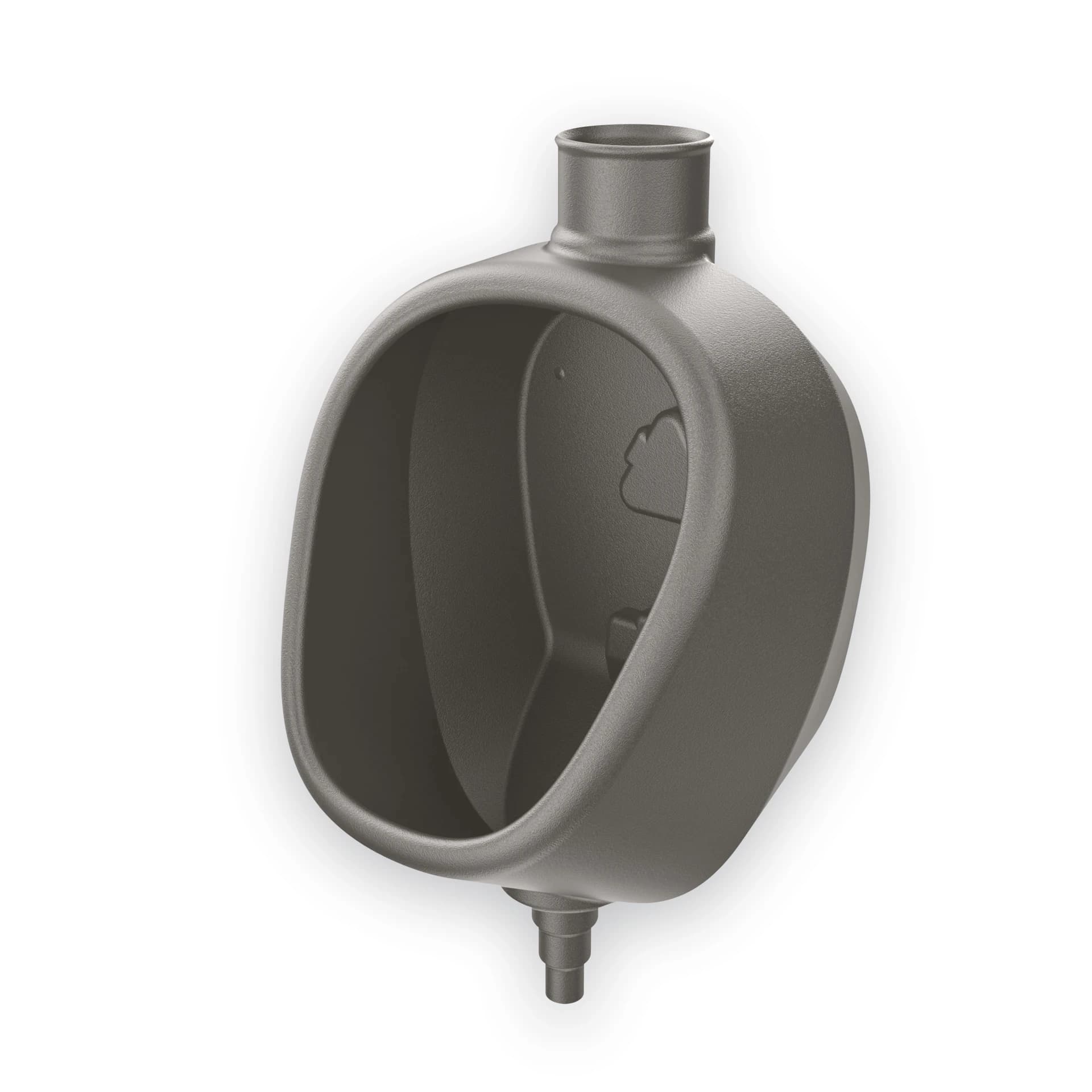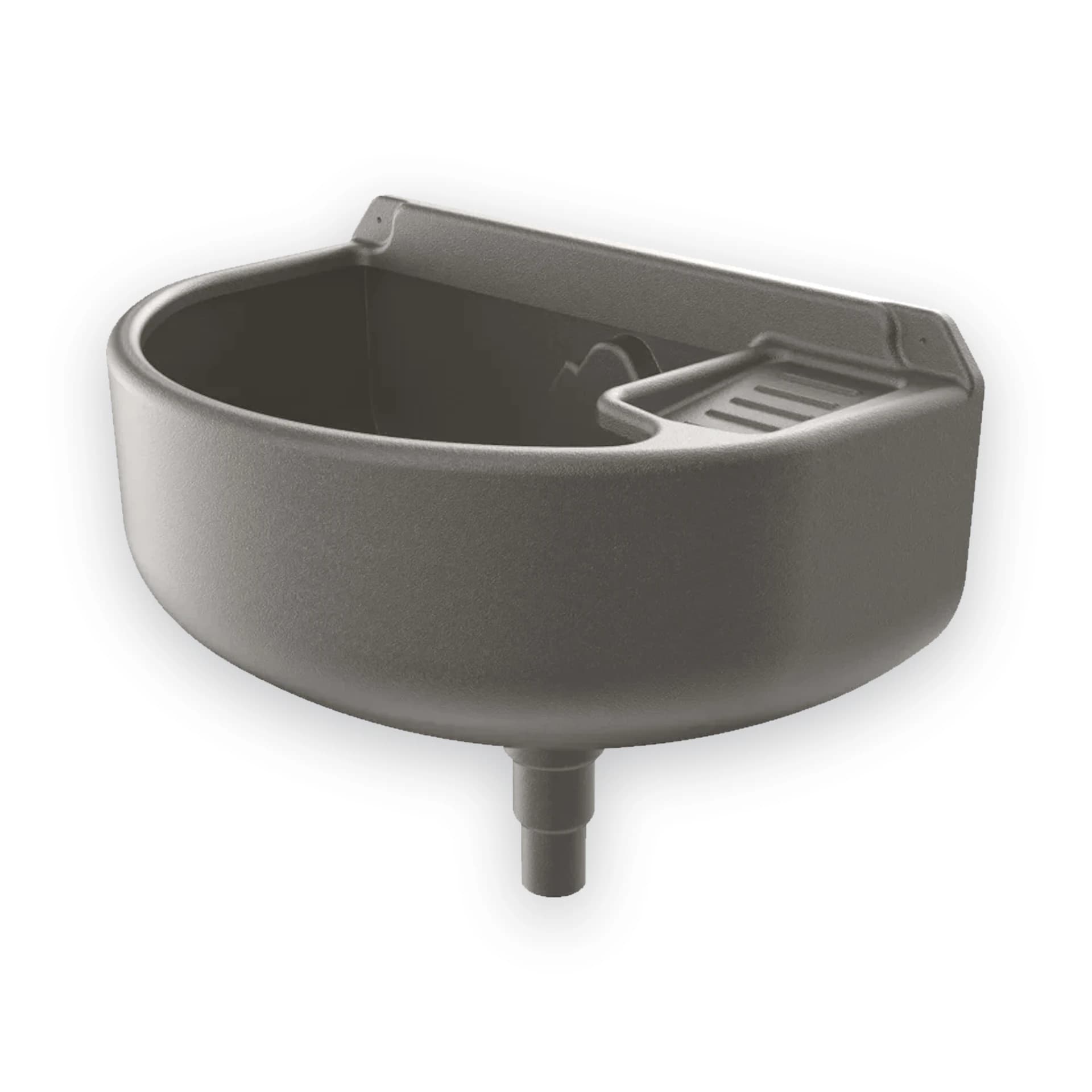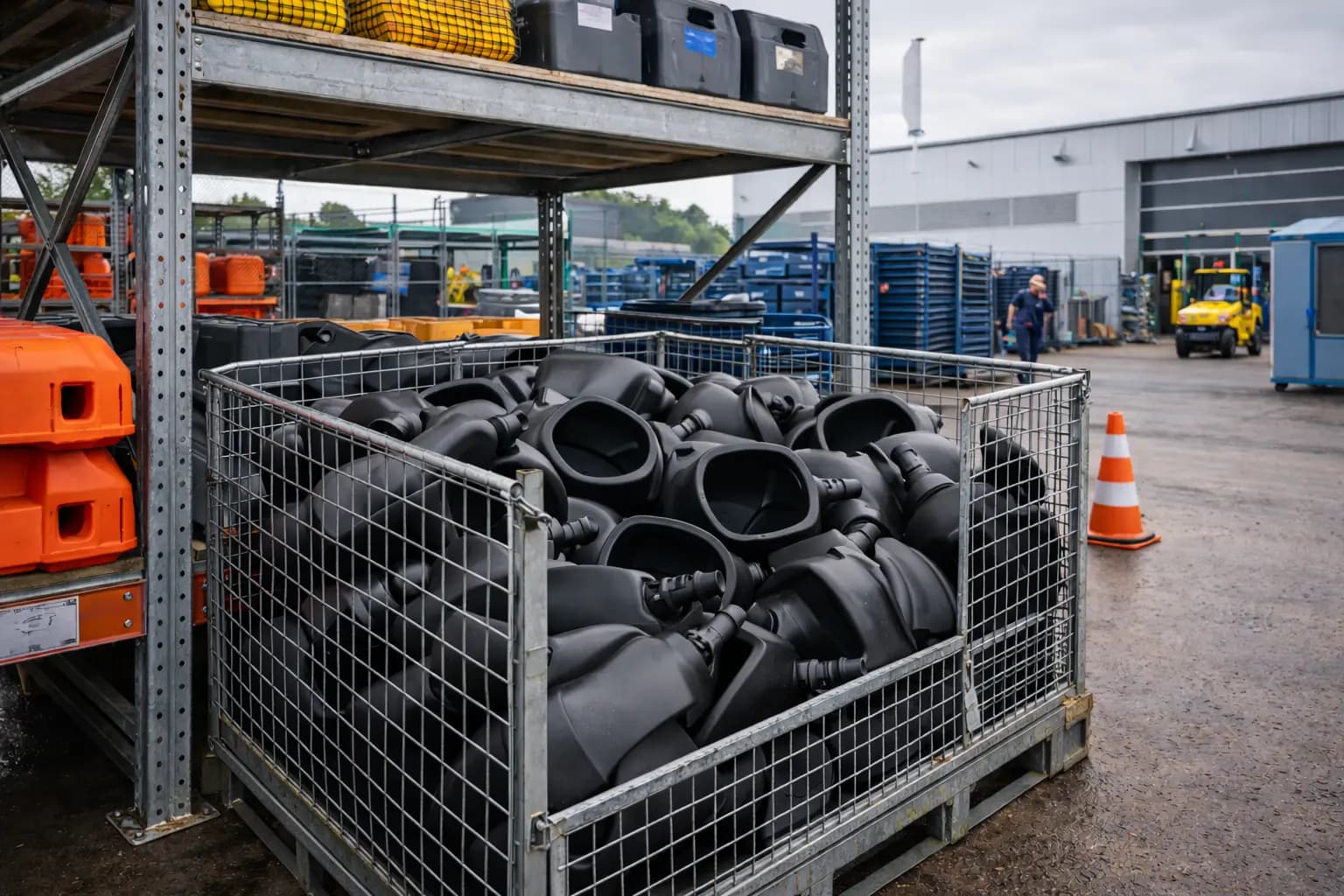
The purchase price of a rental urinal might seem like the main line item in the calculation, but it’s only the visible part of the TCO (Total Cost of Ownership). Over 10 years, it includes replacements, service team visits, cabin downtime during peak season, and logistics both ways. For a rental company with 100+ toilet cabins, the difference in TCO between PP and LLDPE is significantly greater than the price difference of the product itself. Below is a line-by-line calculation, without marketing.
What is Included in the Total Cost of Ownership for a Rental Urinal
A correct calculation considers six items: purchase price; product lifespan under intensive rental conditions; replacement cost (product plus labor); number of service team visits per year; cabin downtime during peak load hours; warehouse logistics and spare urinal storage. Only the sum of all six items provides a real picture. Comparing just one item (price tag) distorts it in favor of the cheaper material.
Lifespan of PP in a Rental Fleet
Unfilled polypropylene (PP homopolymer) is the standard for budget urinals. In rental conditions (frequent transport between sites, winter storage outdoors, impacts during loading), the lifespan of a PP urinal is 3–5 years. The limiting factor is brittle fracture upon impact below 0 °C and surface degradation from UV exposure over 2–4 seasons. This is not a defect but a material property described in materials science literature.
LLDPE with 2.5% technical carbon and UV stabilizers throughout the product mass lasts 7–10 years under the same conditions. The technical carbon is distributed throughout the wall thickness, not applied on top, delaying polymer chain aging from light beyond the typical lifecycle of a rental fleet.
Ownership Cost Calculation for a Fleet of 100 Units Over 10 Years
Assume a fleet of 100 urinals. The price of a PP product is €20, LLDPE Pi-Pi. Initial difference: €600 for the fleet. Over 10 years, PP is replaced twice (3–5 year lifespan), LLDPE once or not at all. Each replacement costs €20 per product plus a service team visit (€30–€50 depending on the market) and an hour of technician labor. Total: 200 PP replacements × €60 = €12,000 over the period. LLDPE: 0–100 replacements × €76 = €0–€7,600. Net savings on replacement line: €4,400–€12,000 for the fleet over 10 years.
Downtime During Peak Season
Replacing a urinal in March, before the season opens, is a regular planned operation. Replacing in July, during the height of festivals and construction, results in a day’s rental loss for the cabin (€30–€60 depending on the market). A PP urinal that cracks after winter is discovered in March; a PP urinal that cracks from an impact during loading in July is discovered on-site, taking the cabin out of circulation for a day. In a fleet of 100 units, 3–5 such cases per season are typical statistics.
Warehouse Logistics
A rental company keeps a reserve stock of 5–10% of the fleet. For PP, this means 5–10 urinals in stock with a predictable usage rate. For LLDPE, the same 5–10 units are used 2–3 times slower. Warehouse funds frozen in spare urinals are lower for an LLDPE fleet.
Purchase Volume and Bulk Pricing
For orders of 100 units or more, Pi-Pi offers bulk pricing. The difference from regular retail is reduced, and the initial €6 per unit gap is partially offset at the purchase stage. This is not a marketing discount but a standard condition for fleets operating in a B2B format. A full calculation for a specific volume will be sent upon request.
When PP Still Makes Sense
In short-term projects (1–2 seasons, after which the urinal is disposed of), the difference in total cost of ownership is smoothed out. If the cabin is written off after 2 years, the choice between PP and LLDPE is determined only by the purchase price. Pi-Pi is not optimal for one-time scenarios – the material is excessive. Over a 5+ year horizon, the picture is reversed.
Conclusion
For a fleet of 100 toilet cabins over 10 years, the difference in total cost of ownership between PP and LLDPE is €4,000–€12,000 in favor of LLDPE – this is 7–20 times more than the initial purchase price gap. For a rental company operating longer than one season, the calculation adds up. For a one-time project, it does not. Order a Pi-Pi sample to test in real conditions of your fleet before a large order: the sample cost is credited towards the first commercial order.