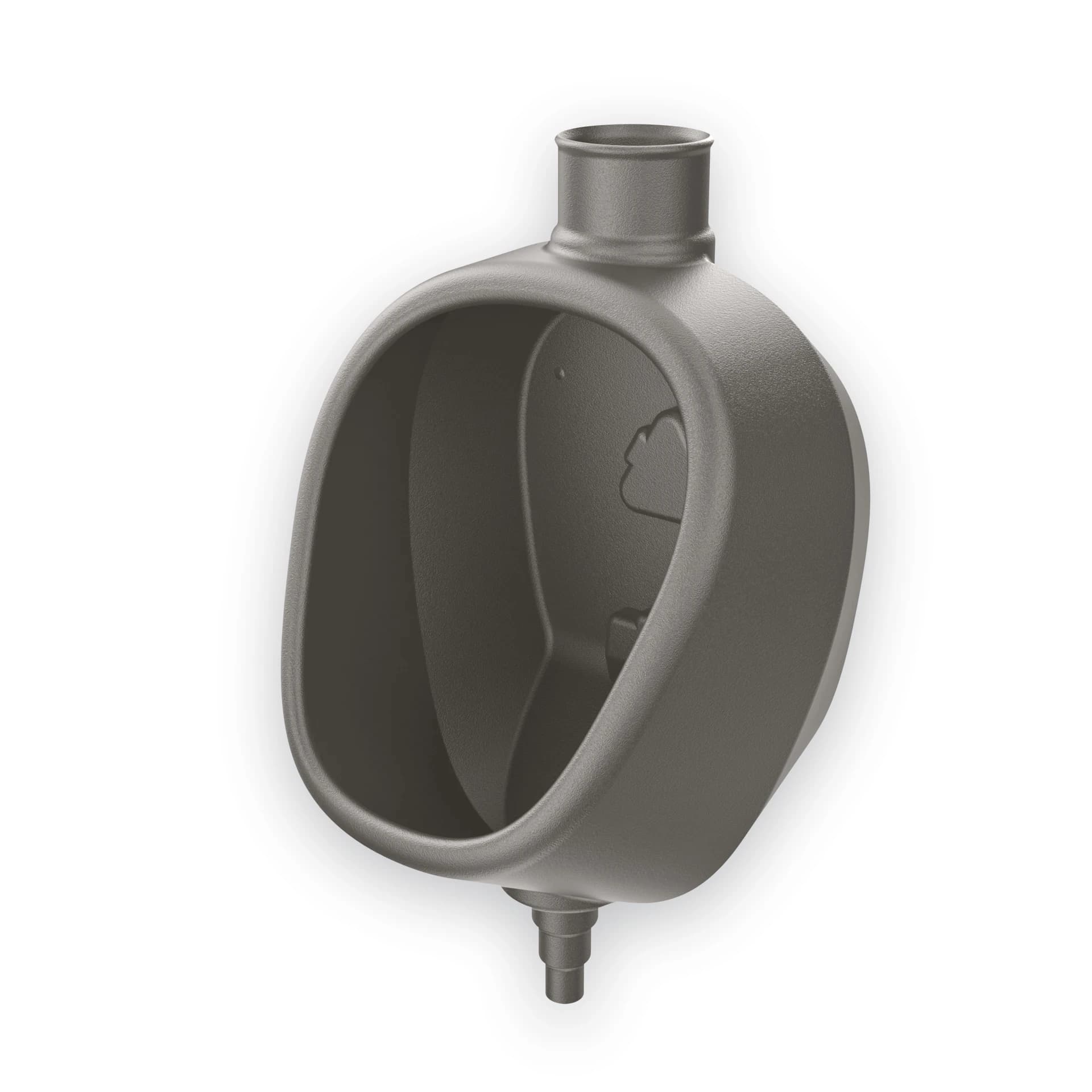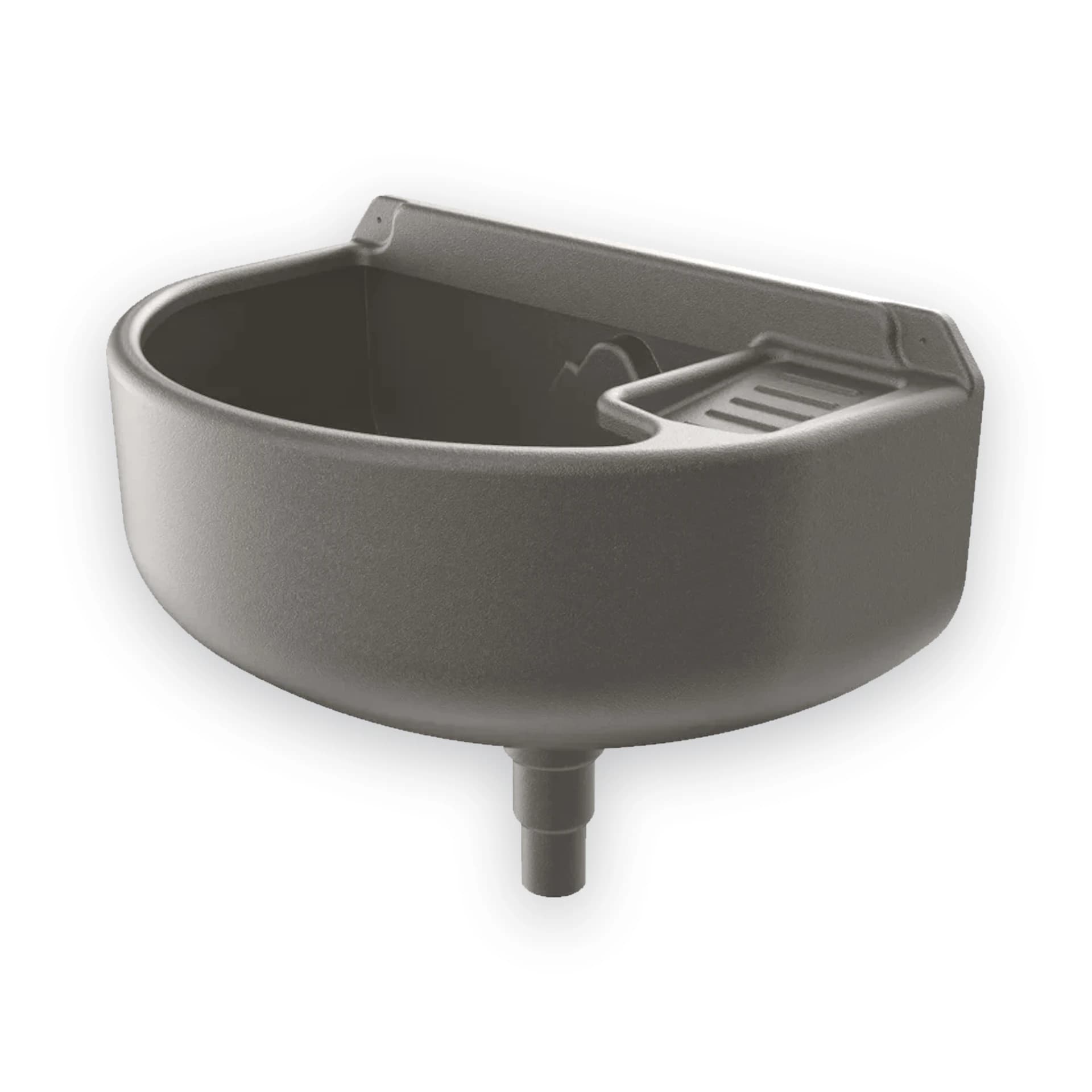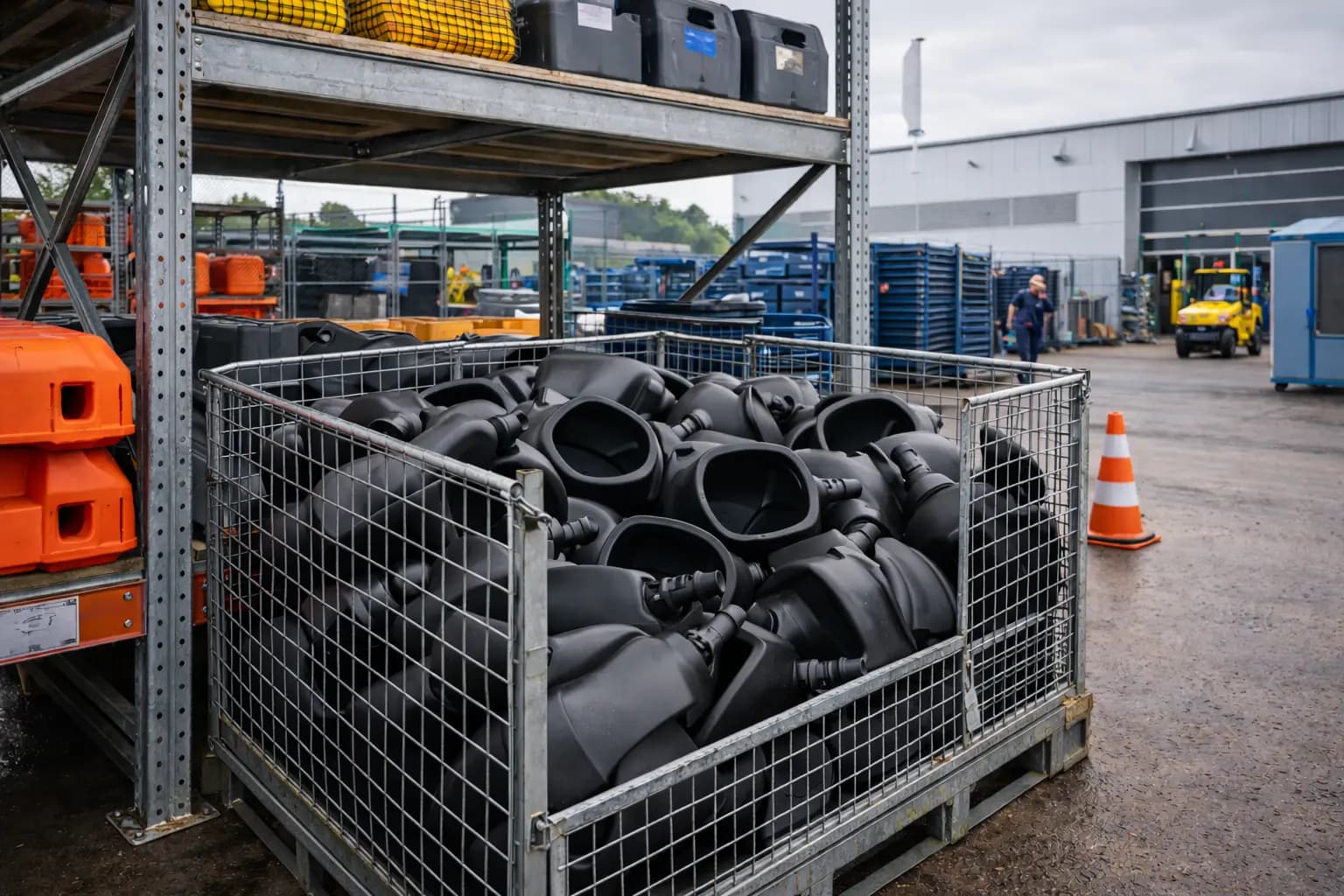
The French portable toilet rental market includes Sebach, WC Loc, Loxam Sanit, and dozens of regional operators from Brittany to Provence. The purchase price of a urinal seems like the main line in the calculation, but over a 10-year horizon, TCO is determined not by the price tag but by the material’s durability, pumping frequency, cabin downtime during peak season, and logistics between the warehouse and the site. Below is a line-by-line calculation for a rental company with 100+ cabins, excluding marketing.
Six Lines of TCO
A proper calculation considers: purchase price; lifespan under intensive rental conditions; replacement cost (product plus technician labor); number of service team visits per year; cabin downtime during peak weeks (summer festivals, grape harvest, large construction sites); warehouse logistics and storage of spare urinals on base. Comparing by a single line – purchase price – gives a distorted picture favoring cheaper PP.
PP in the French Climate
France’s climate is divided into four zones: oceanic (Brittany, Normandy), continental (Grand Est, Burgundy), Mediterranean (Provence, Languedoc), and mountainous (Alps, Pyrenees, Central Massif). Polypropylene (PP homopolymer) degrades along two axes: UV in oceanic and Mediterranean zones over 2–4 seasons, embrittlement at subzero temperatures in continental and mountainous zones. The service life of a PP urinal in a rental fleet covering at least two of these zones is 3–5 years.
LLDPE with 2.5% technical carbon and UV stabilizers in the product mass provides 7–10 years in identical conditions. Carbon black is distributed throughout the wall thickness – polymer photodegradation is delayed beyond the typical life cycle of a rental cabin.
Calculation for a Fleet of 100 Units Over 10 Years
Assume 100 urinals. PP – €20 per unit, LLDPE Pi-Pi – volume pricing from 100 units. The initial gap for the fleet is modest. Over 10 years, PP is replaced twice (lifespan 3–5 years), LLDPE – once or not at all. Each replacement – €20 per product plus technician visit (€40–€60 depending on the region: more expensive in Île-de-France, cheaper in the provinces) and an hour of work. Total replacement line: 200 operations for PP versus 0–100 for LLDPE. Net savings – about €5,000–€12,000 for the fleet over the period.
Pumping and Compatibility
In France, the standard pumping frequency is once a week on a construction site with heavy use and once every two weeks at events. A urinal installed separately from the toilet increases the interval between pumpings – the liquid fraction is separated from the solid and does not form a suspension that is difficult to pump. This reduces the number of septic tank visits by 10–15% with the same number of workers. For 100 cabins, this means dozens of saved visits per season.
Downtime During Peak Season
Replacing a urinal in March, before the season starts, is a planned operation. Replacement in July, during the peak of festivals and construction season, means losing a day of rental (€40–€80 depending on the region). PP, cracked after winter, is discovered in March; PP, cracked from impact during loading in July, takes the cabin out of circulation for a day right on site. For a fleet of 100 units – 3–5 such episodes during the high season.
Logistics Between Warehouse and Regions
A typical French rental company keeps a reserve of 5–10% of the fleet on base. For PP, this is 5–10 urinals with a predictable consumption rate. For LLDPE, the same 5–10 units are consumed 2–3 times slower – warehouse capital frozen in stock is lower. Delivery from Pi-Pi (Estonia) to France takes 5–7 working days via a standard carrier.
Compatibility with Sebach, WC Loc, Loxam Fleet
All French manufacturers and cabin operators use tanks with 32 or 40 mm inlets. The Pi-Pi stepped connector (24/32/40) connects to any without adapters. For a rental company operating a mixed fleet (part Sebach, part Loxam, part self-assembled), this means one item in stock instead of three.
When PP is Justified
In one-off projects (1–2 seasons followed by cabin disposal), the TCO difference is leveled – the choice is determined only by purchase price. Pi-Pi is not optimal for single-use scenarios. Over a 5+ year horizon, the picture is reversed.
Conclusion
For a fleet of 100 cabins over 10 years, the TCO difference between PP and LLDPE amounts to several thousand euros in favor of LLDPE – significantly more than the initial purchase price gap. For a rental company operating for more than one season, the calculation adds up. Order a Pi-Pi sample for testing in real conditions at your base before a large order – the sample cost is credited to the first commercial order. For volume pricing from 100 units, contact us through the form on the website.