
What to do with a used Pi-Pi urinal or sink?
A used Pi-Pi urinal or sink is disposed of according to the waste management rules of your country and municipality; the body is made of LLDPE polyethylene. Start with your local waste collection service: they will advise where to take a plastic product of this size.
What the Product is Made Of
The body is cast from linear low-density polyethylene (LLDPE) using rotational molding. In plastic labeling, low-density polyethylene, which includes LLDPE, is marked with code 4. The kit includes a metal mesh filter, and straight models also have a mounting plate. More about the models: waterless urinals and sinks without plumbing.
Where to Dispose
Options depend on the country and municipality. Usually, these are:
- a plastic waste collection point;
- a bulky or household waste collection center;
- bulky waste pickup by request to the local service.
Check in advance if they accept polyethylene products of this type and in what form. The product can be thrown into a household container only if local rules allow it.
What to Do Before Disposal
- Empty the canister and the product and rinse them with water.
- Remove the hose from the fitting.
- Unscrew the fasteners, remove the mounting plate, and take out the metal mesh filter: they are disposed of separately from the plastic body.
- Wipe the body to remove any dirt.
If the Product is Damaged
If the product needs to be replaced due to a crack or defect, first check the warranty: the Pi-Pi factory warranty is valid for 24 months from the date of delivery. Send a photo and order number through the warranty claim form. Read about when damage can be repaired in the answer can the urinal be repaired.
Suitable Models
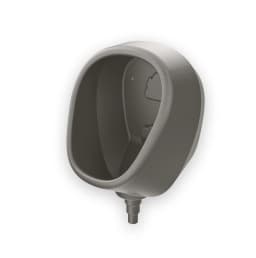
Pi-Pi Standard
Closed-top body – the simplest way to add a standing urinal to a shed or cabin that doesn’t need a vent.
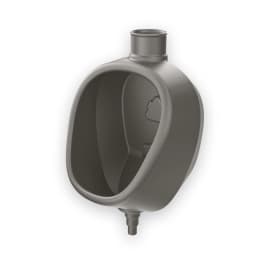
Pi-Pi Standard Plus
Top port Ø70 mm connects directly to the standard ventilation of a composting toilet – for a closed cottage, allotment, or campervan where ventilation is needed.
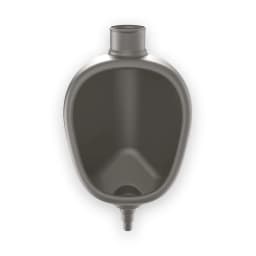
Pi-Pi Standard Corner
Corner shape plus top port Ø70 mm for ventilation – standing urinal even in the tightest cottage.
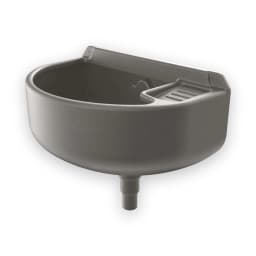
Pi-Pi Outdoor Sink
Durable plastic sink for allotments, garages, and workshops – impact-resistant and frost-proof. Comes with a soap shelf.
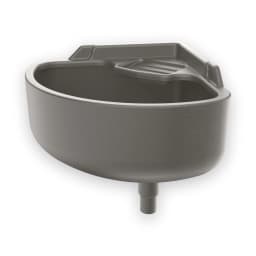
Pi-Pi Outdoor Corner Sink
The same durable plastic sink, but for corners – to save space in tight workshops or cabins.
Related Questions
Have Questions?
Got a question? Message me – I’ll help you pick the right model for your garden shed or toilet setup and sort out delivery. I respond within one business day.

Mart Tamm
Account Manager for United Kingdom
Have questions about products, pricing, or partnership? Email me directly – I’ll respond personally.